Seashell Radio was conceived as a professional, practice-led sound project positioning audio not just as a composition, but as a system embedded across physical artefacts, digital platforms, and audience interaction.
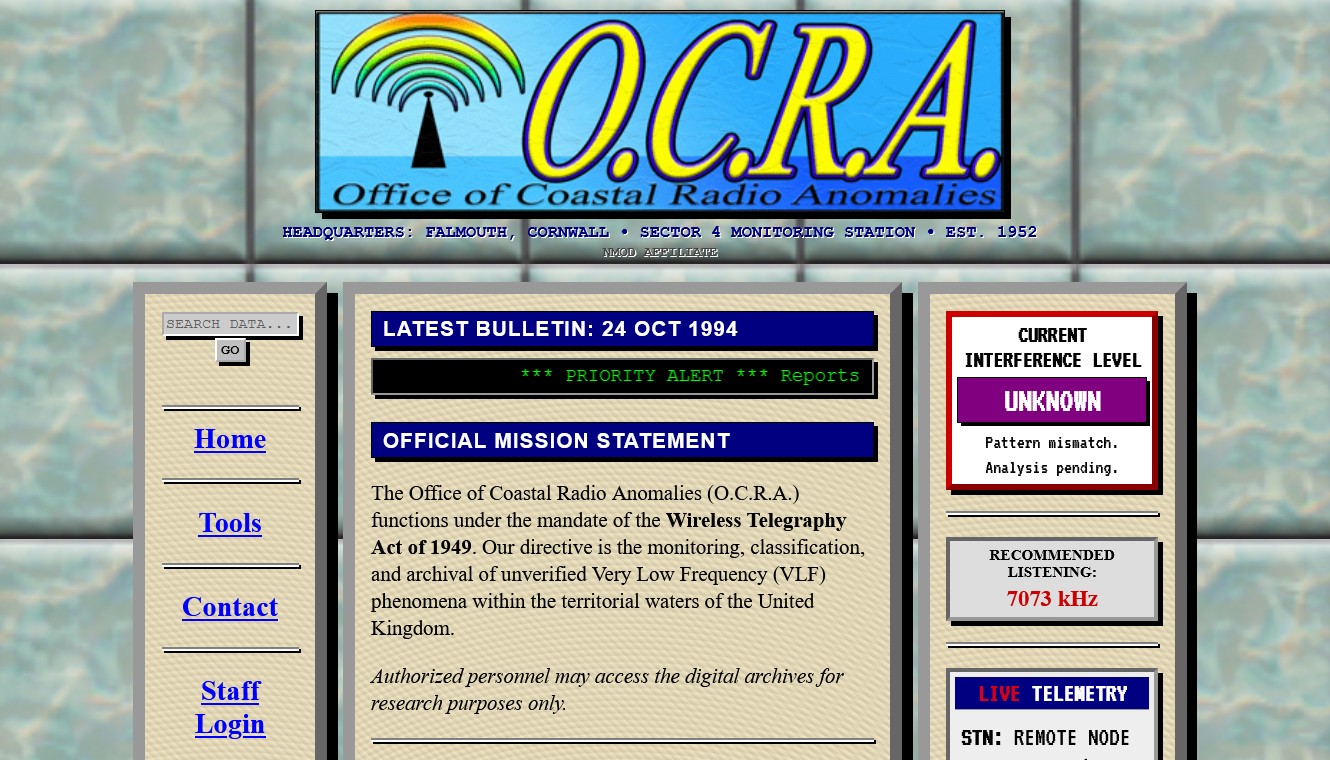
Rooted in Mark Fisher’s concept of Hauntology, the project operates as a "sonic ghost." The narrative centers around a fictional Cold War-style numbers station and the Office of Coastal Radio Anomalies (O.C.R.A.), set against the very real backdrop of the Great Storm of 1987.
"The visual identity mirrors the project's core metaphor: just as a spider's web makes rain visible, the broadcast makes the paranormal entity detectable."
The Physical Artifacts
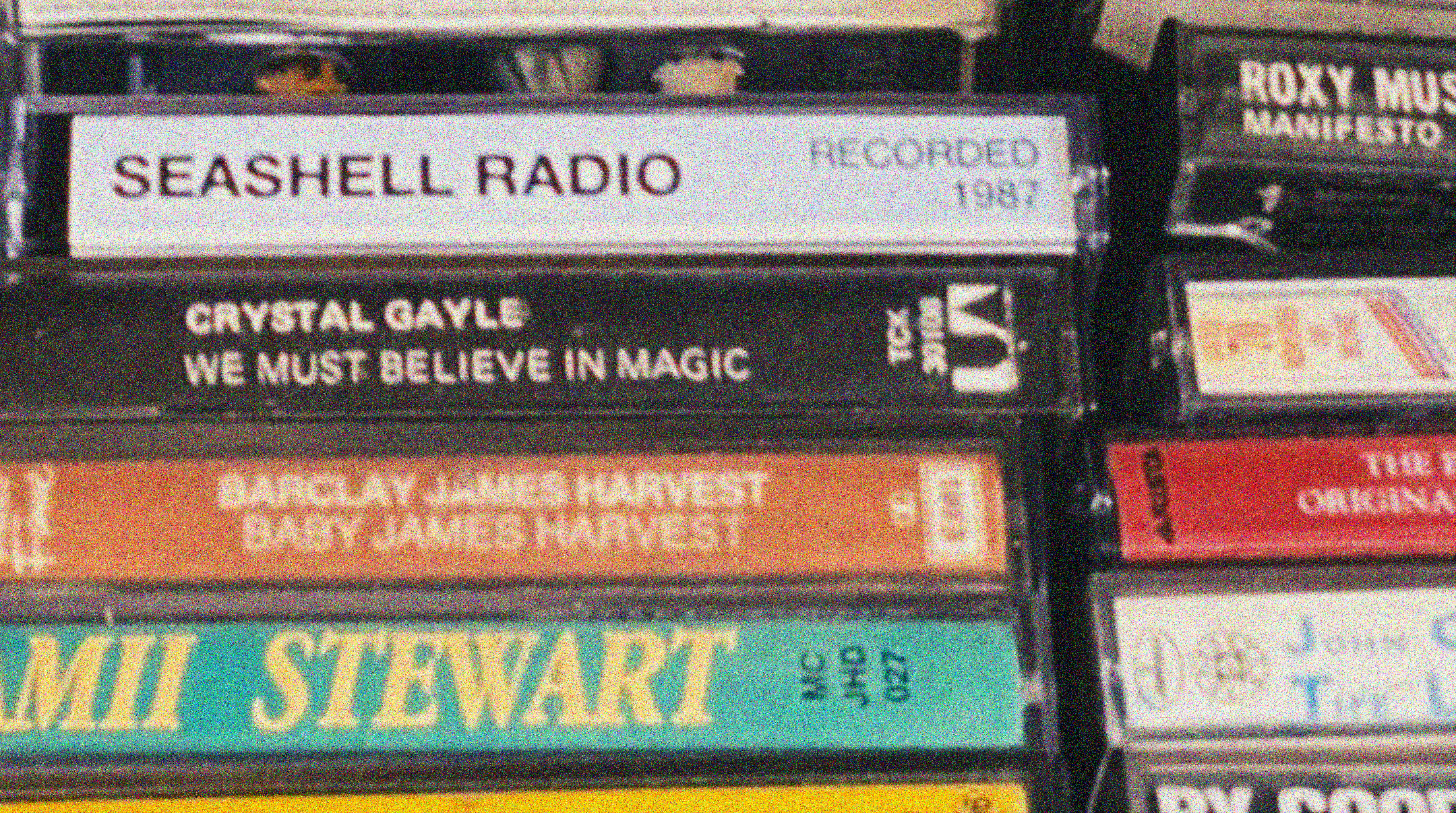
To bridge the digital and physical worlds, I manufactured limited-edition cassettes distributed to independent music shops. Because not everyone owns a cassette player, the tapes acted primarily as physical keys—containing hidden passwords required for digital playback.
Sonic Engineering
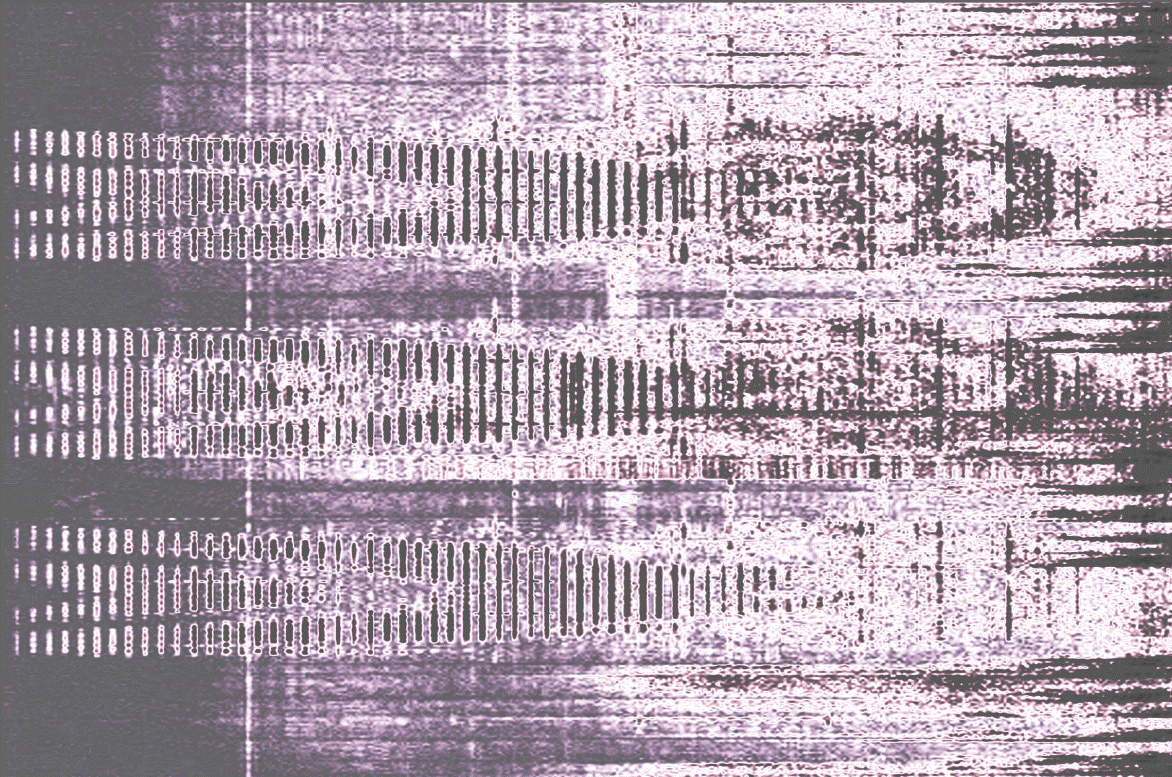
The mix was fully automated to begin in mono and expand spatially. Using spectral analysis tools, visual data (the spiral logo) was embedded directly into the audio carrier wave, rewarding players who analyzed the files professionally.
The Player Journey (The Funnel)
The experience was designed as a funnel. By creating barriers to entry, the audience that engaged was highly motivated. Here is how players navigated the game:
- The Hook: Players encounter redacted posters on campus featuring an intriguing QR code.
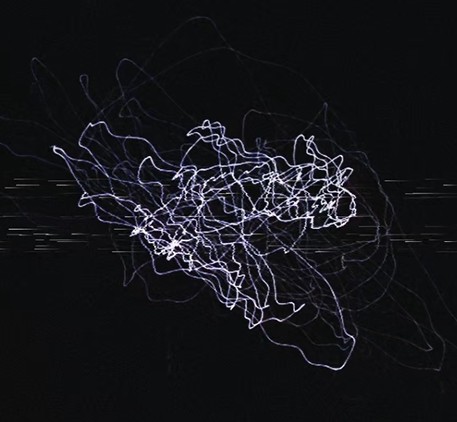
- Social Decryption: The QR leads to a cryptic Instagram account containing oscilloscope videos. Players decrypt these into What3Words locations.
- Physical Retrieval: Locations lead to independent record shops where players acquire the physical Seashell Radio cassette.
- Digital Archival: Players use the admin password hidden on the cassette J-Card to breach the Neocities O.C.R.A portal and download the high-res audio.
The Digital Footprint
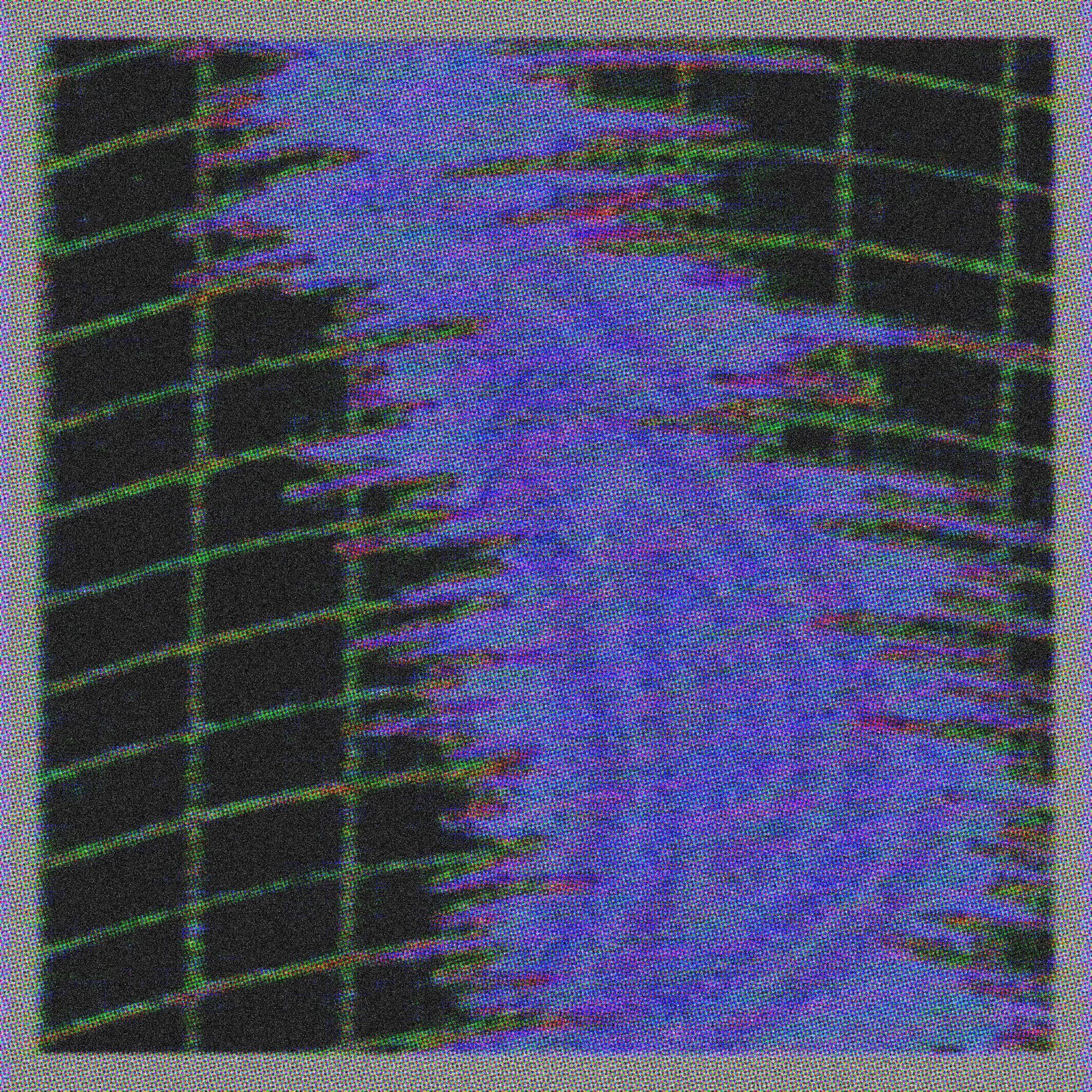
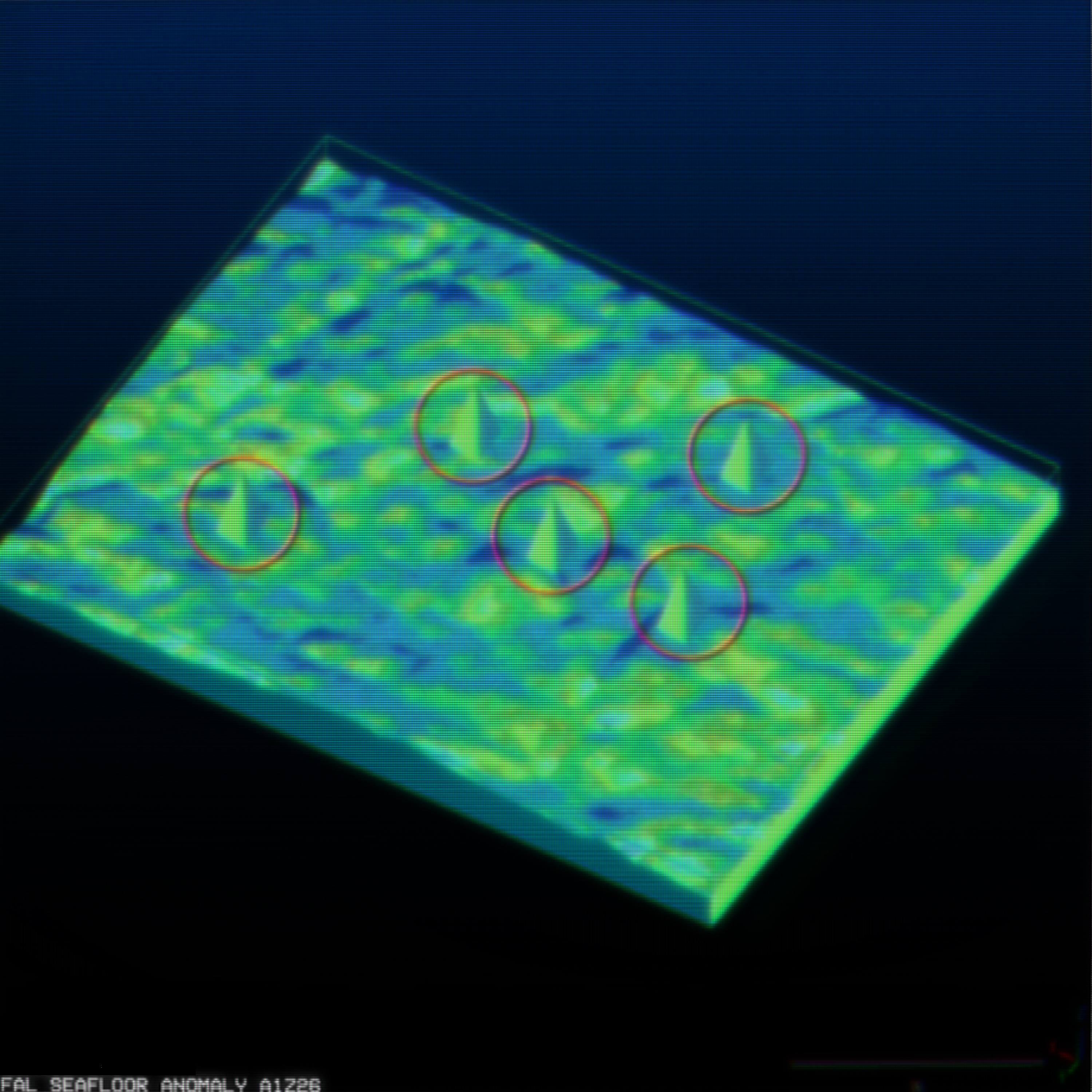
A collection of the digital interfaces, interactive Neocities elements, and social media artifacts created to build the world.
Professional Practice: The Safeguarding Pivot
A critical phase of this project was navigating ethical dissemination. Initially conceived as a "guerrilla" marketing campaign of randomly hidden tapes, formative risk assessments highlighted safeguarding concerns regarding the public encountering horror-adjacent content without context.
Rather than stalling the project, this constraint forced a creative pivot. I implemented a consent-based distribution funnel: postering was restricted to university grounds targeting students, cassettes were explicitly labeled "Student Art Project: Contains Mild Horror," and distribution was managed by independent shops acting as gatekeepers. This pivot ultimately resulted in a much more engaged, targeted audience.